Showing all 4 results


The main difference is how the valve controls water flow through the radiator.
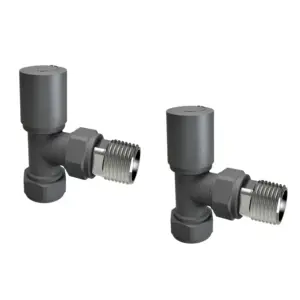
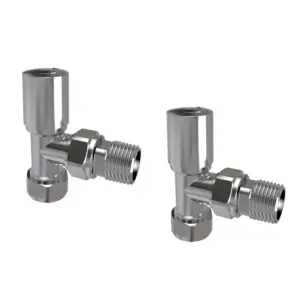
Manual valves let you adjust water flow by turning the control yourself. They do not automatically respond to changes in room temperature, so you will need to adjust them when you want to change the radiator’s setting.
They offer a straightforward option where manual adjustment suits the installation and the way you use your heating.
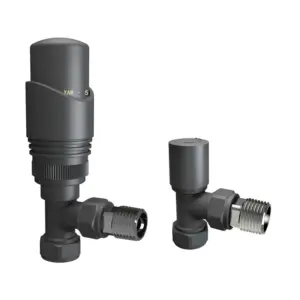
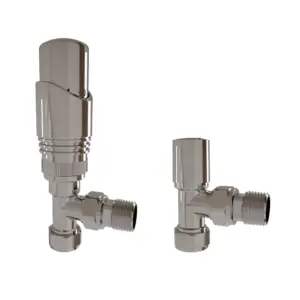
Thermostatic radiator valves, often called TRVs, sense the air temperature around them and adjust the flow of hot water accordingly. As the room approaches the selected temperature, the valve restricts flow through the radiator.
Used alongside suitable heating controls, TRVs can help prevent individual rooms from becoming unnecessarily warm. Keep the thermostatic head exposed to room air rather than enclosed behind furniture, curtains or a radiator cover.
Castle Radiators’ current valve range uses angled connections. An angled valve changes the direction between the heating pipe and the radiator connection, but its suitability depends on the arrangement of both.
Before choosing your valves, check:
The radiator connection and pipe sizes.
The position and direction of the radiator’s inlets.
Where the heating pipes emerge and how they will connect.
The valve’s suitability for your radiator and heating system.
Do not choose solely on whether the pipes come from the wall or floor. The complete connection arrangement matters. If you are replacing existing valves, compare their configuration with the new product specifications and ask your installer to confirm compatibility.
Anthracite valves provide a coordinated finish alongside anthracite radiators. They can also complement darker interiors where you want the fittings to remain understated.
Chrome valves introduce a contrasting metallic detail. They can work alongside white radiators or black radiators, particularly where other fixtures already have a chrome finish.
Choose the correct valve type and connection arrangement first, then select the finish that suits your radiator and room.
Check the product listing to confirm what each valve set includes and whether any additional fittings are required. When buying a radiator, check separately whether valves are included rather than assuming they come with it.
If you are updating the radiator too, browse our radiator range and confirm the model’s heat output, dimensions and connection requirements before ordering.
No. Compatibility depends on the radiator connections, pipe sizes, valve configuration and heating system requirements. Check the specifications of the exact valve and radiator before buying, and ask your installer to confirm anything you are unsure about.

Angled valves change the direction between the pipe and radiator connection. Straight valves suit arrangements where those connections align directly. The correct choice depends on your installation. Castle Radiators’ current range contains angled models, so confirm that this configuration suits your pipework.
A conventional TRV controls water flow through an individual radiator according to the surrounding air temperature. It does not normally tell the boiler when to run, so it should be used alongside appropriate heating controls. Smart controls can work differently; check the instructions for your system.
Yes, existing valves can usually be replaced while retaining the radiator, provided the new fittings are compatible. Replacement may involve isolating and draining part of the heating system. An installer can confirm the correct fittings and carry out the work appropriately.