Horizontal vs Vertical Oval Radiators: Which Works Best in Your Room?
Choosing between a horizontal and vertical oval radiator often comes down to how you want to use your room. A wide, low design may fit neatly beneath a window, while a tall, narrow model can make use of a wall that would otherwise be difficult to furnish.
Both orientations offer the rounded profile that gives oval radiators their distinctive appearance. The right choice depends on your available wall space, furniture layout and heating requirements.
This guide compares the two layouts and explains what to check before deciding.
What Is the Difference Between Horizontal and Vertical Oval Radiators?
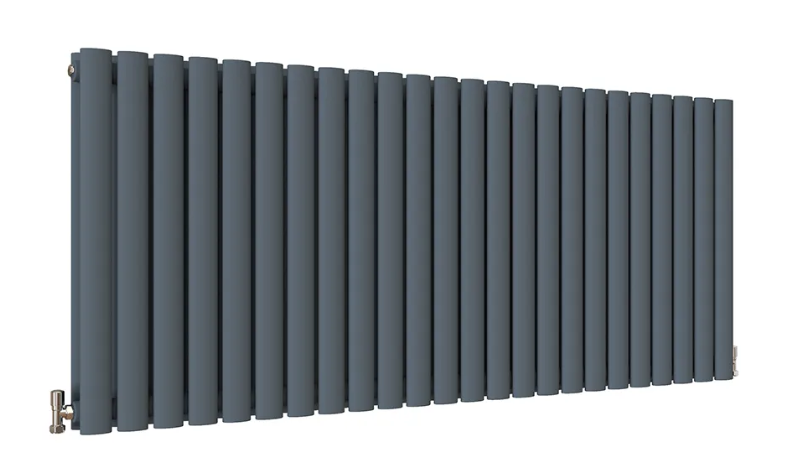
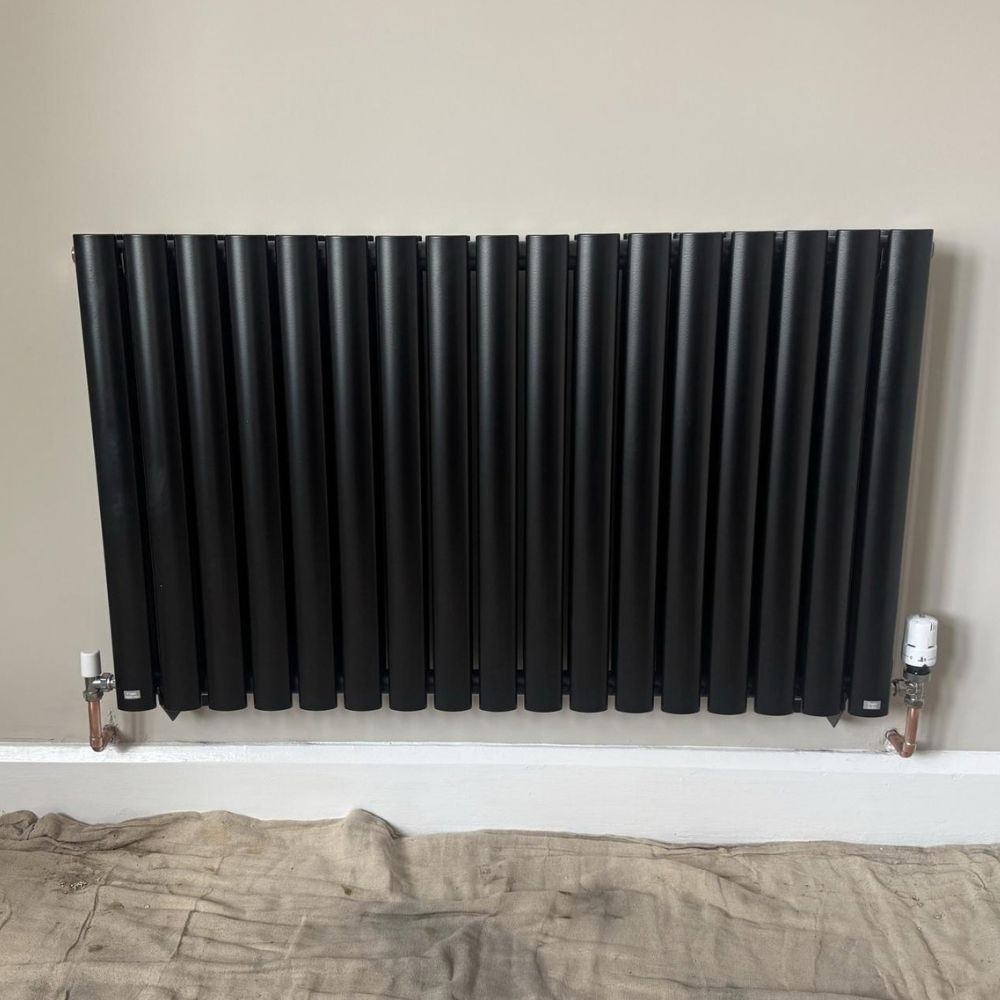
Horizontal oval radiators are wider than they are tall. They work well along lower sections of wall, particularly where there is space beneath a window.
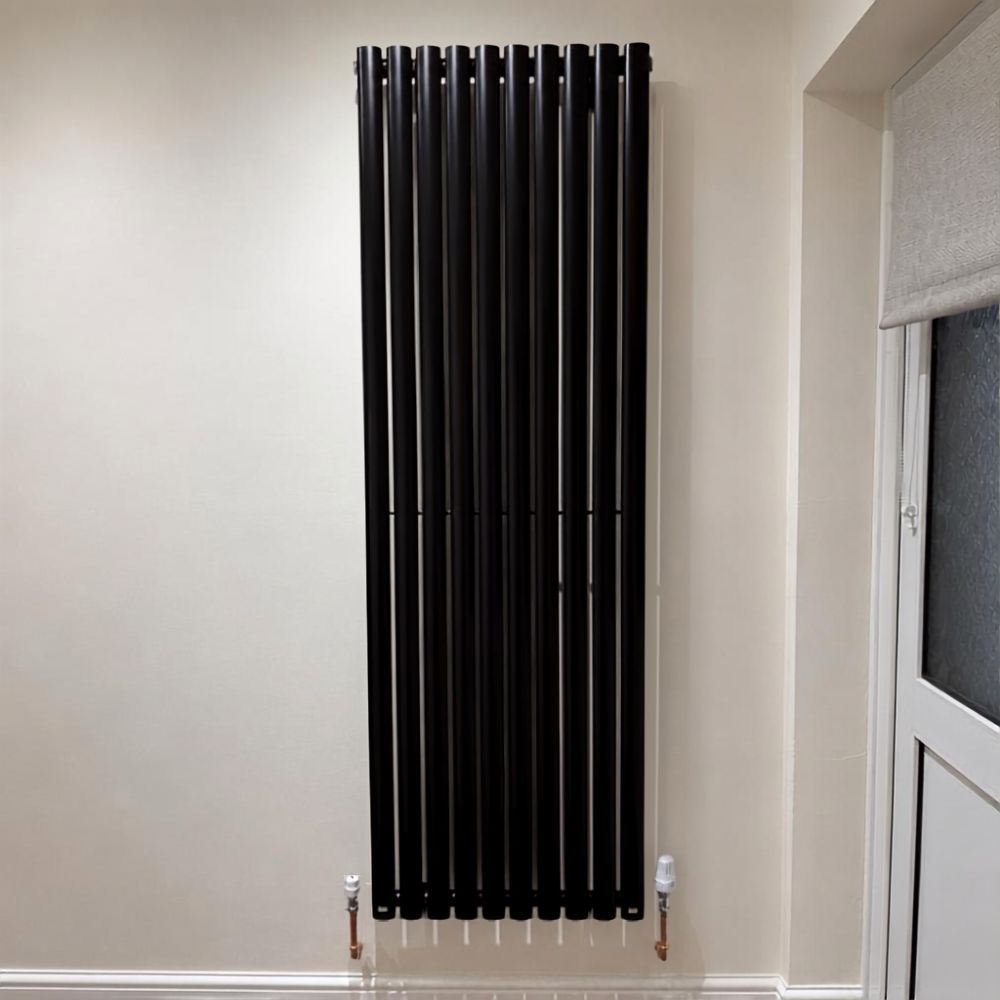
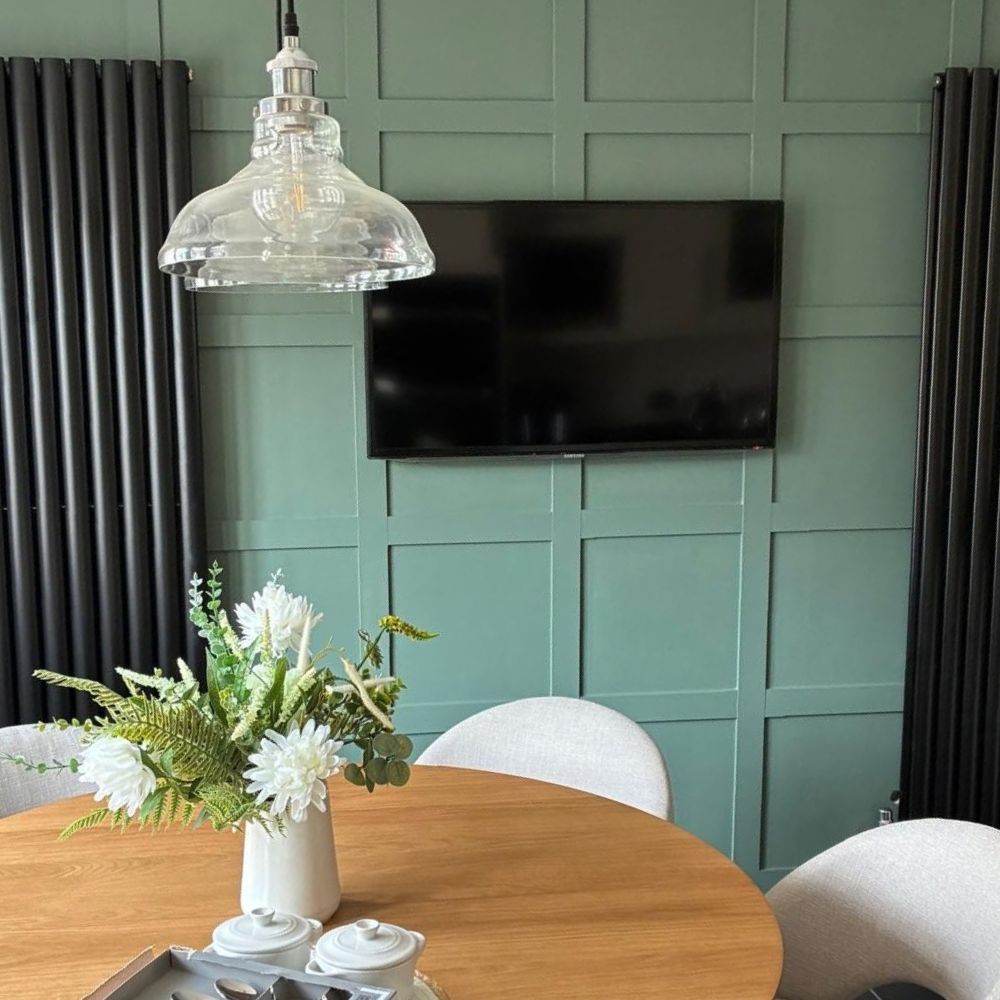
Vertical oval radiators are taller than they are wide. They use more of the wall’s height, making them useful where uninterrupted wall width is limited.
The orientation affects where a radiator can fit and how it looks within the room. Heating performance should be assessed using the output of the specific model and size.
| What to consider | Horizontal layout | Vertical layout |
|---|---|---|
| Available wall space | Suits wide sections of wall with limited height | Suits tall sections of wall with limited width |
| Position beneath a window | Often a practical option, subject to measurements | Usually better positioned on a separate wall |
| Furniture layout | Needs enough clear width around its position | Can leave longer sections of wall available for furniture |
| Visual effect | Creates a lower, wider feature | Creates a taller, more prominent feature |
| Heat output | Check the chosen model and size | Check the chosen model and size |
When Does a Horizontal Layout Work Best?
You Have Space Beneath a Window
The wall beneath a window can be a useful radiator position because it may offer little room for taller furniture. A horizontal design can make use of this space without occupying another wall.
Measure the height between the floor and windowsill, along with the available width. Allow for the installation clearances specified by the manufacturer and check that curtains will not cover the radiator.
You Are Replacing an Existing Horizontal Radiator
If your current radiator is horizontal and its position still suits the room, choosing a similar layout may simplify the replacement.
However, matching the orientation does not guarantee that the new radiator will fit the existing pipework. Dimensions, valve positions and pipe centres can differ between models, so these should be checked before ordering.
You Prefer a Lower Feature on the Wall
A horizontal radiator can suit a room where you want artwork, shelving or other features to occupy the upper wall.
Think about the furniture around it too. A sofa or large cabinet placed directly in front of the radiator can restrict heat circulation, so the position needs to remain reasonably clear.
Horizontal Examples From Our Range
-

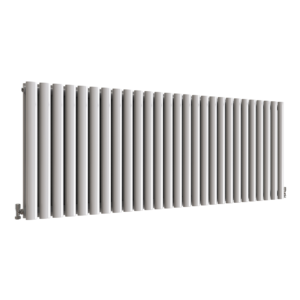
White Designer Horizontal Oval Radiator – Single Panel
From: £69.95 This product has multiple variants. The options may be chosen on the product page -

White Designer Horizontal Oval Radiator – Double Panel
From: £99.95 This product has multiple variants. The options may be chosen on the product page -

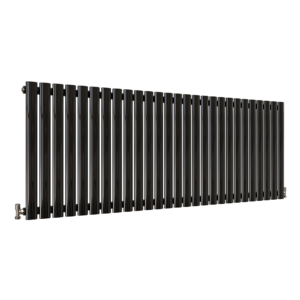
Black Designer Horizontal Oval Radiator – Single Panel
From: £69.95 This product has multiple variants. The options may be chosen on the product page
When Does a Vertical Layout Work Best?
Your Wall Space Is Tall and Narrow
A vertical radiator can be useful where there is sufficient height but little width. For example, a narrow section beside a window or between kitchen units may accommodate a tall model.
Measure the entire installation area, including the space needed for valves and access. Check that doors, cupboards and drawers can open freely once the radiator is fitted.
You Want More Flexibility for Furniture
Moving a radiator onto a narrower wall can free up a longer section for a sofa, dining table or storage.
This can be particularly helpful when redesigning a living room or bedroom. Plan the furniture arrangement first, then check whether the proposed radiator position provides suitable clearance and enough heat output.
Remember to account for how far the radiator projects from the wall, especially in a hallway or beside a frequently used doorway.
You Want the Radiator to Be a Visible Design Feature
A tall radiator draws the eye upwards and can become a feature within the room. Its rounded panels can introduce a softer shape alongside straight lines from cabinets, doors and shelving.
Consider how the finish will work with the surrounding décor. A colour close to the wall shade can create a more subtle effect, while a contrasting finish will make the radiator stand out.
Vertical Examples From Our Range
-

White Designer Vertical Oval Radiator – Single Panel
From: £89.95 This product has multiple variants. The options may be chosen on the product page -
White Designer Vertical Oval Radiator – Double Panel
From: £124.95 This product has multiple variants. The options may be chosen on the product page -
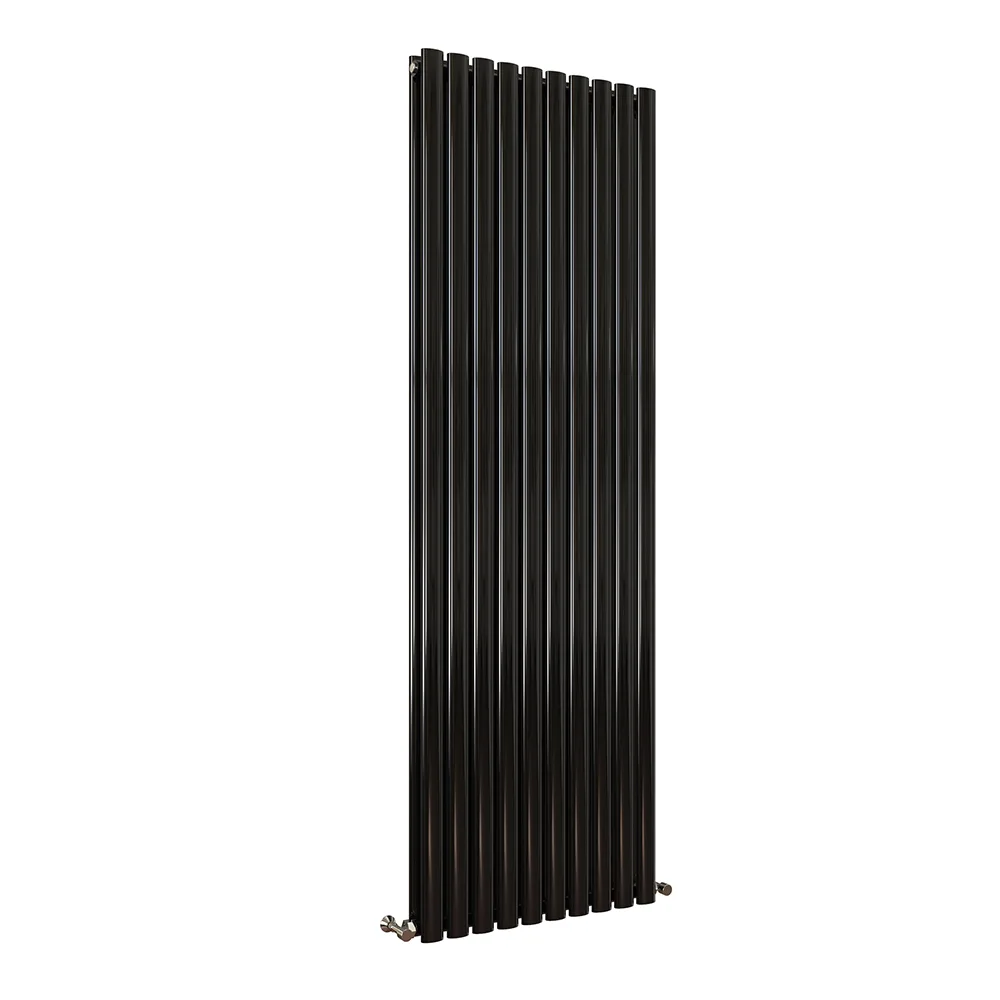
Black Designer Vertical Oval Radiator – Single Panel
From: £89.95 This product has multiple variants. The options may be chosen on the product page
Does a Vertical Radiator Give Out More Heat?
A vertical radiator does not automatically provide more heat than a horizontal one. Output depends on the specific design, dimensions, panel arrangement and operating temperatures.
Compare the stated BTU or watt output for the exact sizes you are considering. When comparing products, use figures quoted at the same Delta T rating so that the comparison is consistent.
Start with our BTU calculator to estimate your room’s heating requirements. Your installer can then help confirm an appropriate radiator output for your heating system, particularly if it operates at lower water temperatures.
The aim is to choose an orientation that fits your layout and a model that meets the room’s heating needs.
Compare Output Before Choosing a Layout
Check the BTU or watt output for your selected size, using the same Delta T rating when comparing models.
What Should You Check Before Changing Orientation?
Switching from horizontal to vertical can change more than the appearance of a room. Before ordering, check the following points.
Available Space and Clearances
Measure the proposed position carefully, including height, width and projection from the wall. Include room for valves and follow the manufacturer’s installation guidance.
A radiator that fits into a gap still needs adequate clearance around it.
Existing Pipework
A different orientation or position may require pipework alterations. Ask your installer what would be involved before choosing the radiator, particularly if pipes would need to be moved beneath flooring or within walls.
Wall Construction
The wall must be suitable for supporting the selected radiator with the correct brackets and fixings. Your installer should assess this, especially for a large model or an installation on a plasterboard wall.
Space Around the Radiator
Check the layout with doors open and furniture in place. Curtains, cabinets and seating should not obstruct the radiator, and valves should remain accessible.
Can You Turn a Horizontal Radiator Vertically?
Do not assume that a radiator can be installed in either direction simply because it fits the space.
Use the orientation specified for the product unless the manufacturer explicitly confirms another installation is suitable. Internal construction and connection arrangements can affect how the radiator operates.
If you want to change from a horizontal layout to a vertical one, choose a model designed for vertical installation and ask your installer to confirm its suitability.
Which Layout Should You Choose?
A horizontal layout is worth considering if you have a wide section of wall beneath a window, want to retain a suitable existing radiator position or prefer a lower feature within the room.
A vertical layout may work better if you have a tall, narrow wall available, want to free up a longer wall for furniture or prefer a more prominent design feature.
Once you know which layout suits your room, explore our oval radiator collection to compare available horizontal and vertical options.
Before making the final choice:
Measure the installation area and required clearances.
Estimate the room’s heating requirements.
Compare the output of the exact models and sizes.
Check the pipework and wall requirements with your installer.