
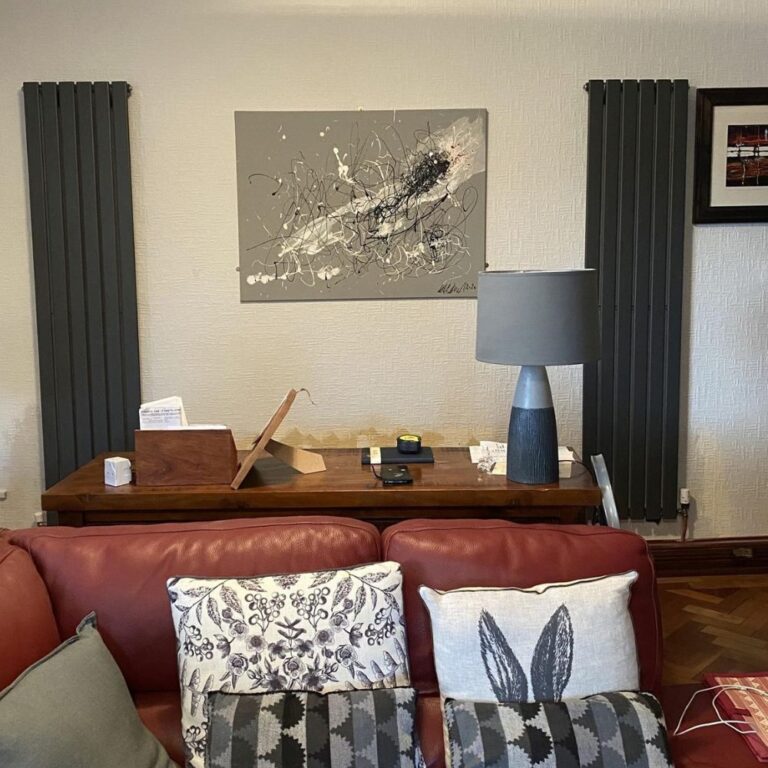
Before the colder weather arrives, check whether your radiators are ready for another winter. If one leaks, struggles to warm a room or no longer suits the space, you may be considering a replacement. Before choosing a style, there are a few practical details to get right.
First, make sure the radiator actually needs replacing. Then work out the heat output your room needs, measure the available space and check whether the new model will work with your existing pipework. Doing this before you order can help you find a radiator that looks right and heats the room properly.
A leak, significant corrosion or physical damage may mean it is time for a new radiator. You might also want to replace one during a renovation, or because the current radiator does not provide enough heat for the room.
However, a cold spot or a radiator that warms up slowly does not always mean it needs replacing. The cause could be trapped air, a valve or another issue with the heating system. If you are unsure what is wrong, have it checked before buying a new radiator. Castle’s radiator maintenance guide covers some useful checks to make before the colder weather arrives.
If replacement is the right choice, avoid assuming that a radiator with the same dimensions as your old one will necessarily provide the heat you need. Start with the room’s heating requirement.
Radiator heat output is commonly shown in BTUs (British Thermal Units) or watts. The amount needed depends on the size of the room, its windows, external walls and insulation.
Castle Radiators’ BTU calculator can help you estimate the output required. Its result is a total for the room, so a larger space may need more than one radiator to reach that figure.
When comparing radiators, check the output listed for the specific size you want. Look at the Delta T rating too: Castle’s calculator gives a result at ΔT50, while product specifications may also show figures at other ratings. Comparing outputs at the same rating will give you a clearer picture. If you are unsure which figure is relevant to your heating system, ask your heating installer.
For more detail, see Castle’s guide to calculating radiator size for a room.
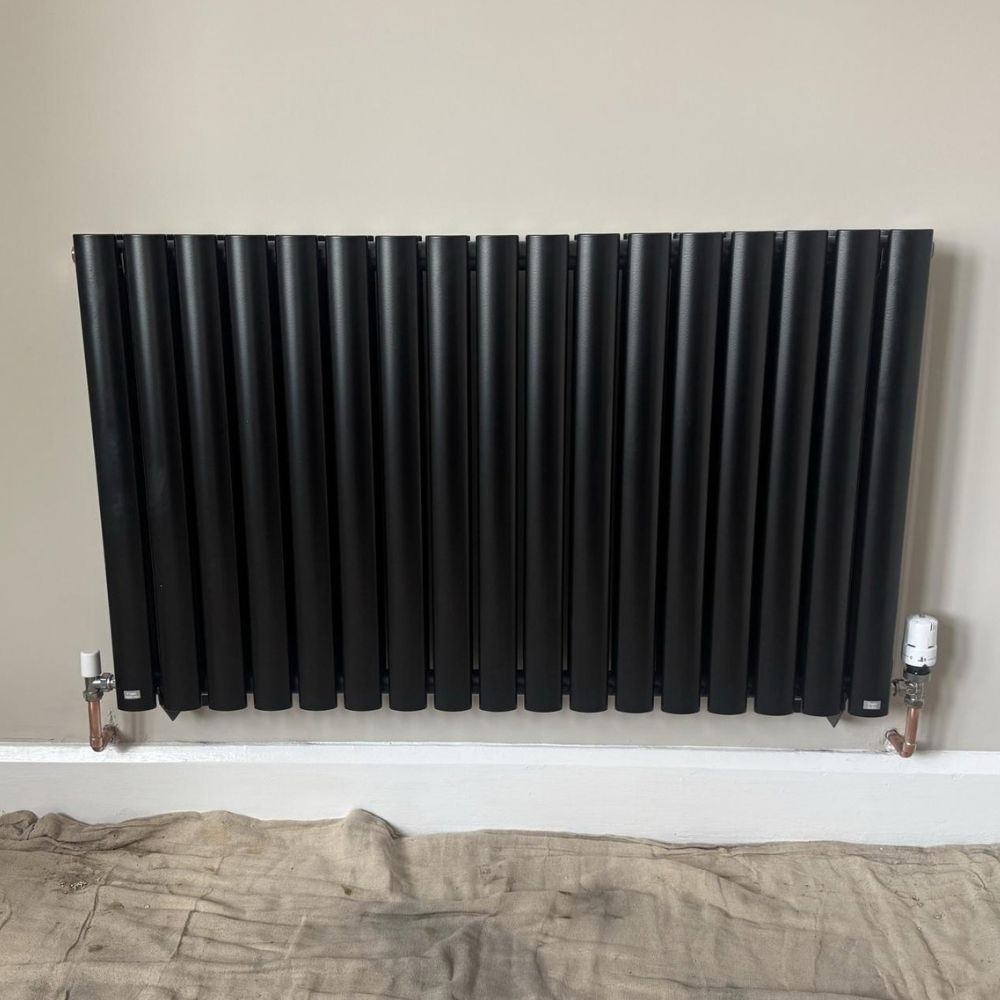
Measure the height and width available on the wall. Take account of skirting boards, furniture, doors and anything else that could affect where the radiator will sit.
If you are replacing an existing radiator, check where its pipes connect. A new model with different dimensions or connection positions may require changes to the pipework. It is worth sharing your measurements and the product details with your installer before ordering.
If wall width is limited, a vertical radiator could be an option. If you have a longer, lower space, explore horizontal radiators. Whichever layout you prefer, make sure the model you choose has enough heat output for the room.
Before you buy, read the specifications for the exact radiator model and size. Check that it is suitable for your heating system and whether valves are included or need to be purchased separately.
The valves and installation work required will depend on the radiator and your existing pipework. Confirming this beforehand can help avoid delays when it is time to fit your new radiator.
Once you have narrowed down the right output and dimensions, you can focus on appearance. Panel radiators offer a straightforward option, while column radiators can bring a more traditional look. Castle’s designer radiator range offers other shapes and finishes.
For a bathroom, a heated towel rail gives you somewhere to hang towels as well as adding warmth. If it will be the bathroom’s main heat source, check that its output meets the room’s needs.
You do not have to replace every radiator at once or use the same design throughout your home. Choose what works for each room.
Before placing an order, make sure you have:
Choosing a radiator before the colder weather gives you time to compare models, check the details and arrange installation. Begin with the room’s heat requirement and your measurements, then find a design that fits both your space and your style.
When you are ready, browse Castle Radiators’ collection and check the specifications for the exact size and model you want before ordering.